
Tulsa, Oklahoma: A City of Character, Culture, and Opportunity
Tulsa, Oklahoma, is a city that balances deep historical roots with a forward-looking spirit. Known for its distinctive architecture, strong arts culture, and welcoming neighborhoods, Tulsa offers a lifestyle that feels grounded yet dynamic. Located along the Arkansas River in northeastern Oklahoma, the city has long served as a regional hub for commerce, culture, and innovation. Residents are drawn to northeastern Oklahoma for its affordability, vibrant downtown, and strong sense of community pride. From historic districts and tree-lined neighborhoods to modern developments and revitalized urban spaces, Tulsa provides a wide range of living options that appeal to families, professionals, and retirees alike. The city’s size allows for the amenities of a major metro without the congestion often associated with larger markets. Tulsa continues to evolve while staying connected to its past, creating a place where people can build long-term roots and enjoy a high quality of life.
What Is the History of Tulsa, Oklahoma?
Tulsa’s history is closely tied to the land and the people who shaped it. The area was originally part of the Creek Nation after Native tribes were relocated to Indian Territory in the 19th century. Tulsa officially became a city in 1898, shortly after Oklahoma opened to non-Native settlement. Its early years were defined by agriculture and trade, but everything changed in the early 20th century with the discovery of oil nearby. Tulsa quickly grew into a major oil hub, earning the nickname “Oil Capital of the World.” This period of rapid expansion brought wealth, population growth, and ambitious architecture that still defines much of the city today.
One of the most significant and tragic chapters in Tulsa’s history occurred in 1921 with the Tulsa Race Massacre, when the Greenwood District, a thriving Black business community often referred to as Black Wall Street, was destroyed. This event shaped the city in lasting ways and has become an important focus of education, preservation, and reconciliation efforts. Today, Greenwood stands as a place of remembrance and resilience, with museums, monuments, and community initiatives dedicated to honoring its legacy.
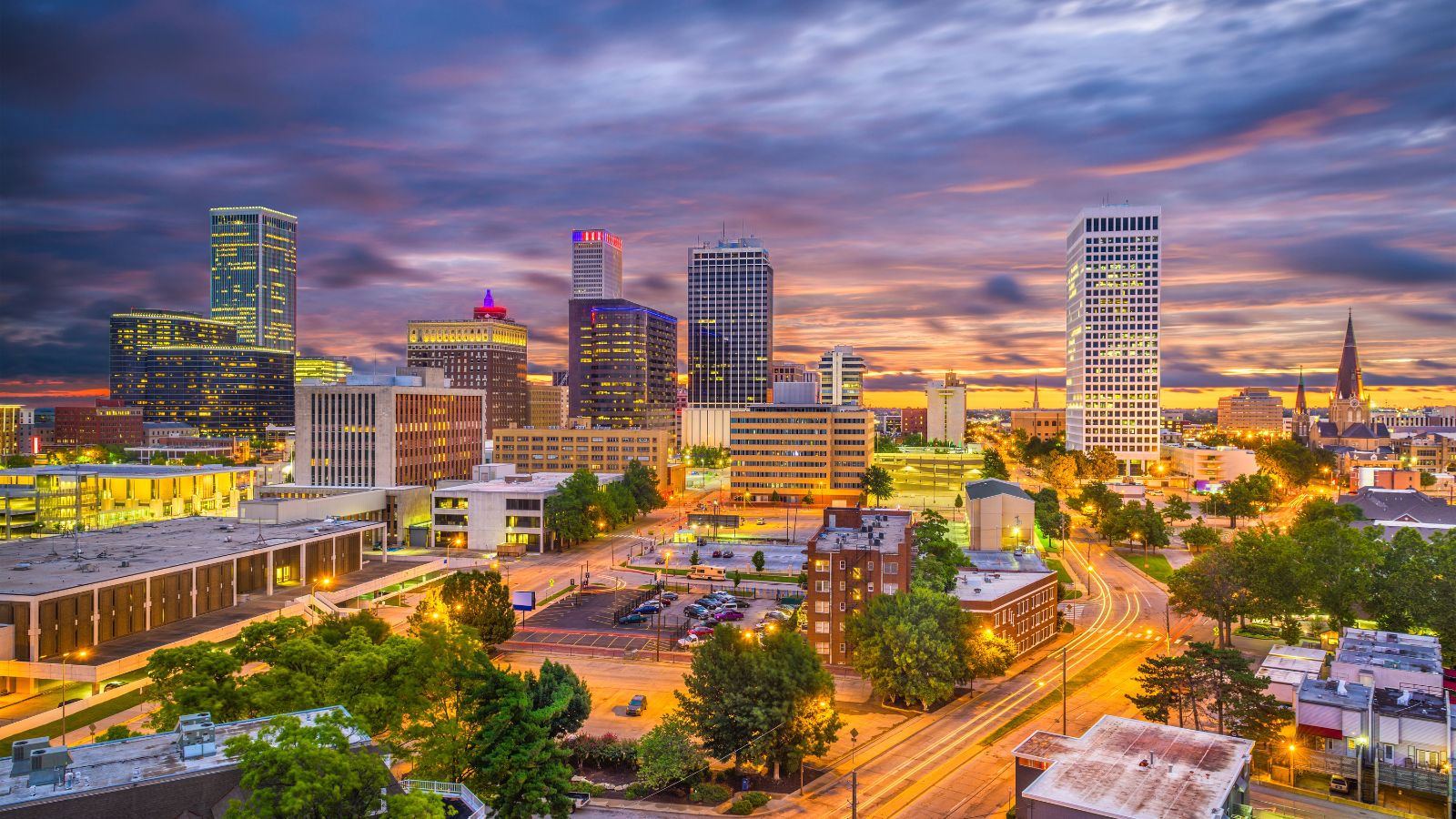
Throughout the mid-20th century, Tulsa diversified beyond oil, investing in aerospace, manufacturing, healthcare, and technology. Downtown experienced cycles of growth and decline, followed by revitalization efforts in the late 20th and early 21st centuries. Today, Tulsa’s history is visible in its Art Deco skyline, preserved neighborhoods, and cultural institutions, offering residents a strong sense of place rooted in both progress and reflection.
Homes for Sale
What Is Life Like in Tulsa, Oklahoma?
Life in Tulsa offers a blend of urban energy and everyday comfort. Residents enjoy a city that feels accessible, with manageable commutes and amenities within easy reach. Tulsa’s downtown has become a lively center for dining, entertainment, and events, while surrounding neighborhoods provide quieter residential settings. The city places a strong emphasis on arts and culture, with a nationally recognized music scene, theaters, galleries, and festivals that bring people together year-round.
Outdoor recreation is a major part of daily life in Tulsa. The Gathering Place, a large riverfront park, has become a signature destination offering trails, playgrounds, gardens, and community programming. The Arkansas River corridor supports walking, biking, and water activities, while nearby parks and nature areas provide additional space to unwind. Tulsa also supports a growing food scene, with locally owned restaurants, coffee shops, and breweries spread throughout the city.
Community involvement plays an important role in Tulsa’s lifestyle. Neighborhood associations, volunteer groups, and local nonprofits are active and well supported. Residents often take pride in supporting local businesses and attending community events. Whether spending an evening at a live concert, visiting a farmers market, or enjoying a neighborhood gathering, life in Tulsa feels connected and approachable, offering both variety and familiarity.
What Are the Best Neighborhoods in Tulsa, Oklahoma?
Tulsa is home to a diverse range of neighborhoods, each offering its own character and lifestyle. From historic districts to newer developments, the city provides options that suit many preferences.
Brookside: Brookside is known for its walkable streets, established homes, and vibrant commercial corridor. The neighborhood features a mix of historic houses and updated residences, often with mature trees and inviting sidewalks. Peoria Avenue serves as the heart of the area, lined with restaurants, shops, and local businesses. Residents enjoy a strong sense of community and easy access to downtown and nearby parks.
Cherry Street: Cherry Street blends historic charm with modern convenience. The neighborhood is anchored by the Cherry Street commercial district, which offers dining, shopping, and entertainment. Homes range from early 20th-century cottages to renovated properties with modern updates. The area attracts residents who appreciate character-filled homes and an active neighborhood atmosphere.
Midtown Tulsa: Midtown includes several established areas known for classic architecture, central location, and strong community ties. Many homes feature traditional designs, spacious lots, and mature landscaping. Midtown offers convenient access to major roads, schools, and cultural amenities, making it a popular choice for families and professionals seeking balance and accessibility.
South Tulsa: South Tulsa is characterized by newer developments, larger subdivisions, and a wide range of housing styles. The area offers proximity to shopping centers, dining, and employment hubs. Homes often feature modern layouts and community amenities such as pools and walking trails. South Tulsa appeals to those looking for contemporary living with suburban convenience.
Downtown Tulsa: Downtown living has expanded significantly in recent years, with lofts, condos, and mixed-use developments attracting residents who want an urban lifestyle. Downtown offers walkable access to entertainment venues, restaurants, offices, and cultural attractions. Residents enjoy being at the center of city events and experiencing Tulsa’s revitalized urban core.
Together, these neighborhoods reflect Tulsa’s variety and flexibility, allowing residents to find a place that fits their lifestyle while staying connected to the broader community.
What Educational Opportunities Are Available in Tulsa, Oklahoma?
Tulsa offers a wide range of educational options that support learners at every stage. Tulsa Public Schools serves a large portion of the city and provides diverse programs, including magnet schools, language immersion, and career-focused pathways. The district emphasizes academic growth, community involvement, and access to specialized learning opportunities.
Private and parochial schools are also available throughout Tulsa, offering alternative educational approaches and smaller class sizes. These schools often focus on college preparation, faith-based education, or specialized curricula that meet specific family preferences.
Higher education plays a significant role in Tulsa’s educational landscape. The University of Tulsa is a well-regarded private institution known for programs in engineering, business, law, and the arts. Tulsa is also home to Tulsa Community College, which provides accessible degree programs, workforce training, and continuing education. Nearby universities and technical schools further expand options for residents seeking advanced degrees or specialized skills.
What Is the Weather Like in Tulsa, Oklahoma?
Tulsa experiences a four-season climate, offering variety throughout the year. The area averages about 228 sunny days annually, receives approximately 41 inches of rainfall, and sees around 9 inches of snowfall. Summers are typically warm, with daytime temperatures often reaching the low to mid-90s. These months are well-suited for outdoor activities, festivals, and time spent along the river or in city parks.
Autumn brings cooler temperatures and colorful foliage, with daytime highs commonly ranging from the 60s to 70s. Fall is a popular season for outdoor events and community gatherings. Winters in Tulsa are generally mild compared to northern regions, with occasional cold spells and light snowfall. Daytime temperatures often stay in the 40s and 50s, allowing residents to remain active year-round.
Spring arrives with warming temperatures and blooming landscapes. Highs range from the 60s to 80s, and rainfall supports lush greenery across the city. Seasonal weather changes add variety to life in Tulsa, allowing residents to enjoy different activities throughout the year.
How Easy Is It to Get Around Tulsa, Oklahoma?
Transportation in Tulsa is designed for convenience and accessibility. The city is served by several major highways, including Interstate 44, U.S. Highway 75, and U.S. Route 169, which connect residents to surrounding communities and regional destinations. Commute times within the city are generally manageable, contributing to a balanced daily routine.
Tulsa Transit operates bus services throughout the city, providing public transportation options for residents and visitors. While many people rely on personal vehicles, public transit continues to expand and adapt to community needs. Tulsa also places growing emphasis on walkability and biking, with trails, sidewalks, and bike-friendly routes throughout many neighborhoods.
Air travel is supported by Tulsa International Airport, located a short drive from downtown. The airport offers flights to major hubs across the country, making regional and national travel convenient. Tulsa’s transportation network supports both local mobility and broader connectivity, enhancing the city’s overall livability.
Are You Ready to Call Tulsa Home?
Tulsa offers a compelling mix of history, culture, and everyday livability. Its neighborhoods provide variety, its schools and universities support growth, and its economy continues to evolve alongside community-focused development. Residents enjoy a city that feels welcoming, affordable, and full of opportunity. Whether drawn to historic charm, modern amenities, or a strong sense of connection, Tulsa offers much. If you are considering a move to northeastern Oklahoma or want to explore housing options in Tulsa, reach out to me to learn more about finding the right place to call home.