Buying a home begins with understanding how home loans work and how they shape every part of the purchase process. A mortgage is more than a way to pay for a house over time. It influences your budget, the type of home you can realistically consider, and how competitive your offer will be in a fast-moving market. For many buyers, especially first-time buyers, the loan process can feel complex at first glance. Once the pieces are explained clearly, it becomes far more manageable and empowering.
Home loans are designed to meet a wide range of financial situations, from buyers with long credit histories to those just starting out. Knowing the basic structure of mortgage options, qualification requirements, and approval steps helps you move forward with confidence instead of hesitation. This knowledge also allows you to have more productive conversations with lenders and make decisions that support both your short-term comfort and long-term goals.
The sections below walk through the most common questions buyers ask about home loans. Each topic builds on the last, creating a clear picture of how financing works and how to prepare before making an offer. With the right information in hand, the loan process becomes a practical tool that supports your path to homeownership rather than an obstacle standing in the way.
What Is a Home Loan and How Does It Work?
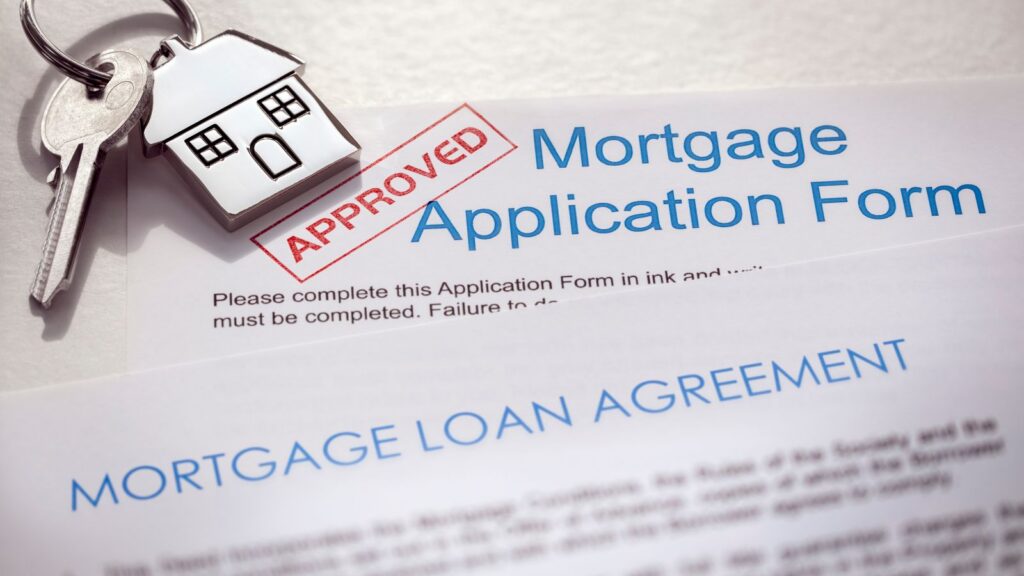
A home loan is a structured agreement a borrowing money and repaying it over time with interest. The lender provides the funds upfront so the buyer can complete the purchase, and the home itself serves as collateral for the loan. In return, the buyer agrees to make regular monthly payments that include both principal and interest over a set term, commonly fifteen or thirty years.
Each mortgage payment is divided into several parts. The principal portion reduces the remaining loan balance, while interest represents the cost of borrowing the money. Many monthly payments also include amounts for property taxes and homeowners’ insurance, which are often held in an escrow account and paid on the buyer’s behalf. Understanding this breakdown helps buyers see where their money goes each month and why payments may change slightly from year to year.
Home loans follow a predictable life cycle. After application and approval, the loan is finalized at closing, where legal documents are signed, and funds are distributed. From that point forward, the buyer makes consistent payments in accordance with the loan terms. Over time, the balance decreases and equity increases, which is the portion of the home the buyer truly owns. This equity can become a valuable financial resource later.
Lenders evaluate several factors before approving a loan, including income, credit history, existing debts, and savings. These details help determine how much a buyer can borrow and under what terms. While the process includes documentation and verification, its purpose is to ensure the loan is sustainable for the buyer. A well-structured home loan supports stable homeownership and creates a clear path toward long-term financial security.
What Types of Home Loans Are Available to Buyers?
Buyers can choose from several types of home loans, each designed to meet different financial profiles and ownership goals. Conventional loans are one of the most common options and are typically offered by private lenders. They often require stronger credit scores and stable income, but they offer flexible terms and competitive interest rates for qualified buyers.
Government-backed loans expand access to homeownership for buyers who may not meet conventional requirements. FHA loans are popular with first-time buyers because they allow for lower down payments and more flexible credit guidelines. VA loans are available to eligible military service members and veterans and often offer favorable terms, such as no down payment required. USDA loans support buyers purchasing homes in qualifying rural and suburban areas, also with low or no-down payment options.
Loan terms also vary in length and structure. Fixed-rate mortgages maintain a constant interest rate for the entire loan term, resulting in predictable monthly payments. Adjustable-rate mortgages begin with a fixed rate for a set period and then adjust periodically based on market conditions. While adjustable options can start with lower rates, they require careful consideration of future payment changes.
Specialized programs may also be available through state or local housing agencies. These programs can include down payment assistance, reduced interest rates, or assistance with closing costs for qualifying buyers. Availability depends on location and income guidelines, making it important to ask lenders about regional opportunities.
Choosing the right loan involves balancing monthly affordability, upfront costs, and long-term financial plans. Each loan type has benefits and tradeoffs, and the best option is the one that aligns with your current situation while supporting stability over time.
How Do Lenders Decide How Much Money You Can Borrow?
Lenders determine how much a buyer can borrow by evaluating financial stability and repayment ability. One of the primary factors is income. Lenders review gross monthly income from employment and other reliable sources to ensure there is enough cash flow to support a mortgage payment alongside existing obligations.
Debt-to-income ratio plays a central role in this evaluation. This ratio compares monthly debt payments, including the proposed mortgage, to gross monthly income. A lower ratio indicates that a buyer has more room in their budget to manage housing costs. While acceptable ratios vary by loan type, lenders use this metric to assess risk and affordability.
Credit history also carries significant weight. Lenders review credit reports to see how consistently a buyer has managed past debt. Payment history, credit utilization, and the length of credit accounts all contribute to the overall assessment. Strong credit can lead to higher borrowing limits and more favorable interest rates.
Assets and savings are another consideration. Lenders want to see that buyers have funds available for the down payment, closing costs, and post-closing reserves. These reserves demonstrate the ability to handle unexpected expenses without falling behind on payments. Employment stability, including job history and consistency, further supports the application.
By combining these factors, lenders establish a loan amount that fits within safe lending guidelines. This process is designed to protect both the buyer and the lender by ensuring the loan is manageable. Understanding these criteria helps buyers prepare in advance and approach the loan process with realistic expectations.
What Credit Score is Required to Qualify for a Home Loan?
A credit score is one of the key indicators lenders use to evaluate a buyer’s reliability as a borrower. Different loan programs have different minimum credit score requirements, but higher scores generally open the door to better interest rates and more flexible terms. For conventional loans, lenders often look for scores in the mid- to upper-range, though exact requirements vary by lender.
Government-backed loans offer more flexibility. FHA loans typically allow lower credit scores than conventional options, making them accessible to buyers who are rebuilding credit or have limited credit history. VA and USDA loans also provide leniency in credit guidelines, though lenders may still apply their own standards beyond program minimums.
Beyond the score itself, lenders examine the full credit profile. This includes payment history, recent late payments, collections, and bankruptcies. A single number does not tell the entire story. Consistent on-time payments over time often matter more than small fluctuations in score.
Buyers can take steps to strengthen their credit before applying. Paying down balances to reduce credit utilization, avoiding new credit inquiries, and correcting errors on credit reports can all have a positive impact. Even modest improvements can lead to better loan terms.
Understanding credit requirements allows buyers to plan strategically. Checking credit early provides time to address issues and build confidence before starting the loan process. A prepared credit profile helps streamline approval and supports a smoother path to homeownership.
How Much Down Payment Is Required to Buy A Home?
The required down payment depends on the loan type and the buyer’s financial situation. Conventional loans often require a down payment ranging from three to twenty percent of the purchase price. Buyers who put down less than twenty percent typically pay private mortgage insurance, which adds to the monthly cost but allows earlier entry into homeownership.
Government-backed loans reduce the upfront burden for many buyers. FHA loans require a smaller down payment, making them attractive to first-time buyers and those with limited savings. VA loans may allow eligible buyers to purchase with no down payment, while USDA loans also offer zero-down payment options in qualifying areas.
The size of the down payment affects more than just the amount due at closing. A larger down payment reduces the loan balance, which can lower monthly payments and interest costs over time. It may also make an offer more appealing to sellers by demonstrating financial strength.
Buyers should balance down payment goals with the need to maintain savings after closing. Retaining funds for emergencies, maintenance, and moving expenses is essential for long-term stability. Using all available cash for the down payment can create unnecessary financial strain later.
Planning for a down payment involves understanding available loan programs, assistance options, and personal comfort levels. The right amount supports affordability today while preserving flexibility for the future.
What Is Preapproval and Why Does It Matter?
Preapproval is a lender’s written confirmation that a buyer qualifies for a specific loan amount based on verified financial information. It involves reviewing income, credit, assets, and debts before a buyer begins shopping for a home. Unlike prequalification, which is an estimate, preapproval carries more weight because it is backed by documentation.
Having a preapproval clarifies the price range a buyer should focus on. It sets realistic expectations and prevents wasted time viewing homes that fall outside the approved budget. This clarity makes the search process more efficient and less stressful.
Preapproval also strengthens a buyer’s position when making an offer. Sellers often view preapproved buyers as more serious and financially prepared. In competitive markets, this credibility can make a meaningful difference, especially when multiple offers are involved.
The preapproval process can also reveal potential issues early. If a lender identifies concerns with credit, income documentation, or debt ratios, buyers can address them before entering a contract. This proactive approach reduces surprises later in the transaction.
Preapprovals are typically valid for a limited time, typically 60 to 90 days. During this period, buyers should avoid major financial changes such as taking on new debt or changing jobs. Treating preapproval as an active commitment helps keep the loan process on track through closing.
How Do Interest Rates Affect Your Monthly Payment?
Interest rates directly influence the cost of borrowing and the size of a buyer’s monthly mortgage payment. Even small differences in rates can result in noticeable changes over the life of a loan. A lower rate reduces the amount of interest paid over time, making the loan more affordable overall.
Rates are influenced by a variety of factors, including market conditions, loan type, credit profile, and down payment amount. Buyers with stronger credit and stable finances often qualify for more favorable rates. Choosing between fixed and adjustable-rate options also affects how rates apply over time.
Monthly payments consist of both principal and interest, and the interest portion is higher in the early years of the loan. As payments continue, the balance shifts, with each payment allocating more toward principal. A lower interest rate accelerates this shift, helping buyers build equity more quickly.
Buyers may have the option to lock in an interest rate once under contract. A rate lock protects against market increases during the closing period. Understanding lock terms, including duration and potential fees, is an important part of loan planning.
Interest rates shape long-term affordability, not just monthly payments. Evaluating rate options carefully ensures the loan aligns with both current budget needs and future financial goals.
What Costs Are Included Beyond the Loan Itself?
In addition to the loan principal and interest, buyers should plan for several other costs associated with homeownership. Closing costs are due at the time of purchase and typically include lender fees, appraisal costs, title insurance, and prepaid taxes and insurance. These expenses usually range from 2% to 5% of the purchase price.
Monthly housing costs also extend beyond the mortgage payment. Property taxes and homeowners’ insurance are ongoing obligations that may be included in escrow payments. Depending on the property, homeowners’ association dues may also apply. These recurring costs should be factored into the overall budget.
Private mortgage insurance may be required for loans with smaller down payments. While this cost protects the lender, it increases the buyer’s monthly payment until sufficient equity is built. Some loans allow removing this insurance once certain conditions are met.
Maintenance and repair costs are another important consideration. Unlike renting, homeownership involves responsibility for upkeep. Setting aside funds for routine maintenance and unexpected repairs helps protect both the home and the budget.
Understanding the full cost picture prevents surprises after closing. A well-prepared buyer accounts for both upfront and ongoing expenses, creating a more stable and comfortable ownership experience.
What Happens from the Loan Application to Closing?
The loan process begins with a formal application, where buyers submit detailed financial information to the lender. This includes income documentation, bank statements, tax returns, and authorization to review credit. Once submitted, the lender evaluates the application and issues a conditional approval.
During this period, the property is appraised to confirm its value supports the loan amount. The appraisal protects both the buyer and lender by ensuring the home is priced appropriately. Title work is also completed to verify ownership history and identify any issues that must be resolved before closing.
Underwriting is the final review stage, during which the lender confirms that all conditions have been met. This may involve requests for additional documentation or clarification. Responding promptly helps keep the process moving forward.
As closing approaches, buyers receive a closing disclosure outlining final loan terms and costs. Reviewing this document carefully ensures there are no unexpected changes. At closing, legal documents are signed, funds are transferred, and ownership is officially recorded.
Understanding this timeline reduces uncertainty and builds confidence. Each step serves a specific purpose, and staying organized helps ensure a smooth transition from application to homeownership.
Are You Ready to Choose the Right Home Loan?
Choosing the right home loan is about aligning financing with your life, your goals, and your comfort level. A well-matched loan supports affordability today while creating stability for the years ahead. By understanding loan types, qualification factors, costs, and timelines, buyers gain clarity and control over the process.
Preparation makes a meaningful difference. Reviewing credit, organizing financial documents, and exploring loan options early helps prevent delays and frustration later. It also allows you to approach home shopping with confidence, knowing your financing is aligned with realistic expectations.
Every buyer’s situation is unique, and no single loan fits everyone. The right choice depends on income, savings, future plans, and personal priorities. Taking the time to understand these elements leads to better decisions and a smoother purchase experience.
When you are ready to take the next step toward buying a home, reach out to me to talk through your options and begin the loan process with clarity and confidence.