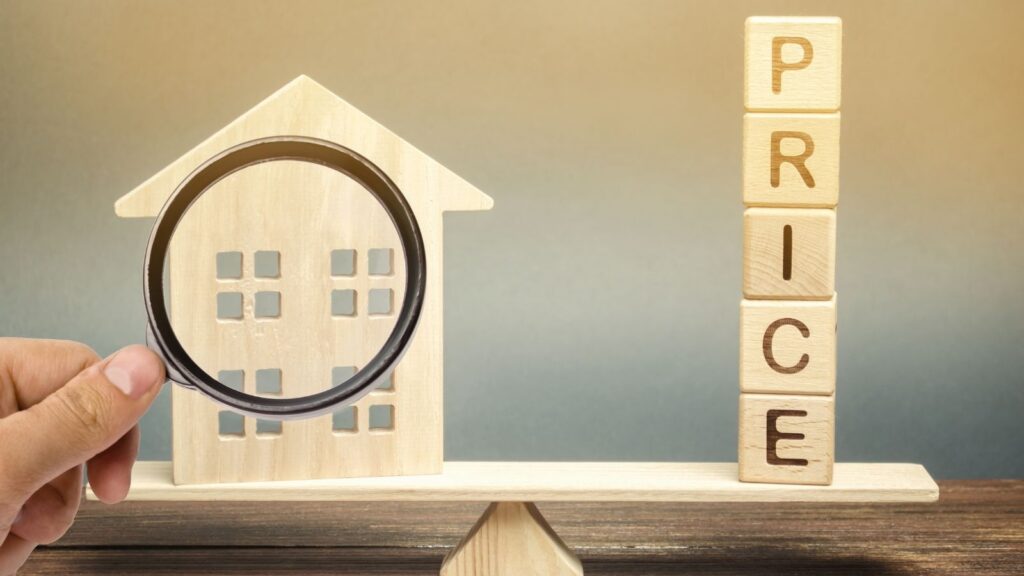
Increasing your home’s value is rarely about one single upgrade. It is the result of a series of thoughtful decisions that work together to improve how the home looks, functions, and feels to buyers. Sellers often assume value only comes from major renovations, but buyers tend to respond just as strongly to homes that are clean, well-maintained, thoughtfully updated, and easy to imagine living in. Strategic improvements help protect your investment, strengthen buyer confidence, and support stronger offers when your home goes on the market. Focusing on the areas that matter most allows you to increase value without overspending or creating unnecessary stress.
How Does Curb Appeal Shape a Buyer’s Perception of Value?
Curb appeal plays a major role in shaping a buyer’s perception of value because it forms the very first impression of the home. Before buyers step inside, they begin forming opinions based on the exterior condition, landscaping, and overall presentation. A home that looks cared for from the outside signals pride of ownership and sets positive expectations for what lies ahead.
Landscaping is often one of the most cost-effective ways to improve curb appeal. Trimmed shrubs, neatly edged walkways, fresh mulch, and seasonal plants add structure and visual interest. These simple updates make the property feel welcoming and intentional rather than overgrown or neglected. Clean lawns and defined planting areas help frame the home and highlight its features.
Exterior cleaning and maintenance also have a strong impact. Power washing siding, driveways, patios, and sidewalks removes dirt and buildup that can make a home appear older than it is. Repainting or touching up trim, repairing loose gutters, and addressing visible wear reduces buyer concerns about deferred maintenance. Small details such as updated house numbers, modern exterior lighting, and a freshly painted front door can further elevate the entry.
When curb appeal is strong, buyers tend to arrive at showings with a more positive mindset. That initial confidence often carries through the rest of the tour, making buyers more receptive to the home’s layout, features, and price. A strong first impression supports perceived value long before negotiations begin.
Which Interior Improvements Consistently Increase Home Value?
Interior improvements that consistently increase home value focus on usability, cleanliness, and visual appeal. Buyers want spaces that feel functional and move-in-ready, and they often place greater value on updates that reduce the need for immediate work after closing. Kitchens, bathrooms, and main living areas typically receive the most attention.
In kitchens, cosmetic updates often deliver better returns than full renovations. Painting cabinets, replacing outdated hardware, installing modern lighting, and adding a simple backsplash can dramatically refresh the space. Clean, neutral countertops and organized storage allow buyers to focus on layout rather than wear. If appliances are outdated, energy-efficient replacements in neutral finishes can modernize the room and suggest reliability.
Bathrooms benefit from similar refresh-focused updates. Replacing old faucets, mirrors, and light fixtures improves both function and appearance. Re-grouting tile, updating vanities, or installing new shower doors can elevate the space while preserving the existing layout. Neutral colors and simple finishes appeal to a broader range of buyers.
Flooring also plays a key role in perceived value. Worn carpet, damaged hardwood, or mismatched flooring can make a home feel dated. Refinishing hardwood floors or installing durable, neutral flooring creates continuity and helps rooms feel larger and brighter. These interior improvements signal care and readiness, which buyers often reward with stronger offers.
Why Do Decluttering and Staging Have Such a Strong Impact?
Decluttering and staging have a strong impact because buyers evaluate homes emotionally as well as logically. When spaces feel crowded or overly personalized, buyers may struggle to imagine how the home would fit their own lifestyle. A clean, organized environment allows buyers to focus on the home itself rather than the current owner’s belongings.
Decluttering starts by removing excess furniture, personal décor, and visual distractions. Overfilled rooms can feel smaller, while simplified spaces emphasize square footage and flexibility. Countertops, shelves, and storage areas should feel open and intentional. Buyers often look inside closets and cabinets, and tidy storage areas suggest thoughtful maintenance and adequate space.
Staging builds on decluttering by arranging furniture and décor to highlight each room’s purpose. Proper furniture placement improves flow and defines living areas. Neutral colors, balanced layouts, and consistent styling create a cohesive experience from room to room. Staging does not require expensive furnishings, but it does require intention and consistency.
Well-staged homes tend to photograph better, which can increase online interest and showing activity. When buyers can easily visualize their own routines in the space, they are more likely to develop an emotional connection. That connection often leads to stronger offers, fewer contingencies, and a smoother negotiation process.
How Do Repairs and Preventive Maintenance Protect Value?
Repairs and preventive maintenance protect value by reducing uncertainty and preventing small issues from becoming major obstacles during negotiations. Buyers often interpret visible problems as signs of deeper concerns, even when systems are otherwise sound. Addressing issues before listing helps preserve buyer confidence and reduces surprises during inspections.
Routine repairs such as fixing leaky faucets, repairing cracked tiles, replacing worn caulking, and tightening loose fixtures may seem minor, but they collectively signal attention to detail. Doors and windows should open smoothly, outlets and switches should function properly, and plumbing should show no signs of leaks or drainage problems. These details help buyers feel reassured about the home’s overall condition.
Major systems also influence perceived value. Heating, cooling, roofing, and plumbing systems do not always need replacement, but they should be serviced and documented. Providing maintenance records reassures buyers and appraisers that systems have been properly maintained. Addressing visible concerns before inspections helps prevent delays and repair requests.
Maintenance also affects appraisals. Appraisers consider overall condition when determining value, and visible neglect can influence their assessment. A well-maintained home is more likely to support its asking price, helping the transaction move forward smoothly and on schedule.
What Role Does Energy Efficiency Play in Today’s Market?
Energy efficiency is increasingly important to home value as buyers consider long-term affordability and comfort. Homes that demonstrate efficiency often appeal to buyers who want predictable operating costs and modern features. Efficiency upgrades also suggest proactive ownership.
Simple improvements such as LED lighting, programmable thermostats, and upgraded insulation can improve efficiency without major expense. Sealing air leaks around doors and windows enhances comfort and reduces energy loss. These updates can make the home feel more comfortable during showings and daily living.
Larger efficiency upgrades, such as energy-efficient windows, appliances, or HVAC systems, can further support value. While these improvements may not always deliver a direct dollar-for-dollar return, they reduce future expenses and maintenance concerns. Buyers often appreciate knowing that costly updates have already been addressed.
Documentation strengthens the impact of efficiency improvements. Utility savings, warranty information, and service records help buyers understand the benefits. These details can influence buyer confidence and appraisal considerations, making energy efficiency a practical way to support long-term value.
How Does Neutral Design Help Attract More Buyers?
Neutral design helps attract more buyers by creating a clean, adaptable environment that suits a wide range of tastes. Bold colors and highly personalized finishes can make it harder for buyers to imagine themselves in the home. Neutral design removes that barrier.
Light, neutral paint colors reflect natural light, making rooms feel larger and brighter. Consistent finishes throughout the home create visual continuity, supporting a smoother showing experience. Buyers can focus on layout, storage, and features rather than adjusting to strong design choices.
Neutral design does not mean sacrificing warmth or personality. Texture, natural materials, and subtle contrast add interest without overwhelming the space. Coordinated fixtures, lighting, and hardware contribute to a polished look that suggests thoughtful updates.
When buyers feel comfortable and inspired, they are more likely to see the home as a long-term fit. That sense of possibility supports stronger offers and faster decisions, reinforcing the value created through neutral, buyer-friendly design.
Why Are Kitchens and Bathrooms So Influential in Buyer Decisions?
Kitchens and bathrooms carry significant weight with buyers because they are closely tied to daily routines and comfort. These spaces are also among the most expensive to renovate, making their condition a key factor in perceived value.
Buyers often evaluate kitchens and bathrooms early in the showing. Clean, updated spaces suggest move-in readiness and reduce concerns about immediate expenses. Even modest updates such as modern fixtures, fresh paint, and updated lighting can improve perception.
Functional layouts, adequate storage, and neutral finishes help buyers imagine using these spaces without major changes. When kitchens and bathrooms feel current and well-maintained, buyers are more likely to focus on the home’s strengths rather than potential projects.
Investing thoughtfully in these areas often supports higher offers and smoother negotiations. Buyers who feel confident about the condition of kitchens and bathrooms are less likely to request concessions later in the process.
Why Does Timing and Market Awareness Influence Value Gains?
Timing and market awareness influence value gains because improvements should align with buyer demand and neighborhood expectations. Not every upgrade delivers the same return in every market, and understanding local conditions helps sellers invest wisely.
In markets with limited inventory, buyers often prioritize move-in-ready homes, making cosmetic updates and repairs especially valuable. In other markets, buyers may accept projects if pricing reflects that opportunity. Knowing where your home fits within the local market guides improvement decisions and prevents over-investing.
Seasonal timing also matters. Exterior improvements often have a greater impact during warmer months, while interior updates may carry more weight during colder seasons. Coordinating improvements with listing timelines ensures updates are visible and appreciated.
Market awareness extends to pricing strategy. Improvements should support the home’s target price range and neighborhood standards. Strategic updates aligned with buyer expectations help strengthen value without exceeding what the market will support.
Are You Ready to Turn Smart Improvements into Real Value?
Increasing your home’s value comes from informed decisions, thoughtful preparation, and a clear understanding of buyer priorities. Strategic updates, strong presentation, and proactive maintenance work together to position your home competitively. When improvements align with market conditions, they often pay off in both price and peace of mind. If you are preparing to sell and want guidance on which improvements make the most sense for your home and timeline, reach out to me when you are ready to sell and move forward with clarity and confidence.